
Testalonga - Hanepoot Sweet Cheeks 2022 (750ml)

Price: $46.99
| Producer | Testalonga |
| Country | South Africa |
| Region | South Africa |
| Varietal | Muscat de Alexandria |
| Vintage | 2022 |
| Sku | 203710 |
| Size | 750ml |
 |
Testalonga Description
estalonga was started in 2008 by Craig and Carla Hawkins. We are based in the Swartland region of South Africa. We strive to make wine from grapes and nothing else.
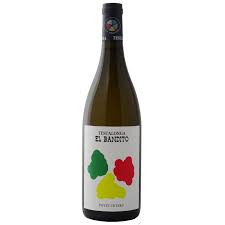
his wine is part of a line that Craig and Carla started in 2015. They wanted to work with vineyards that deliver wines that can be drunk young yet still “over deliver” in quality. There was a heavy influence from street artists in the labels. “We’re old school but I can’t handle boring labels,” says Craig. The photo on the label was taken by Craig’s brother in Cambodia, and for Craig, it depicts the idea of hope and optimism, and how we should never lose our childlike ambition. The fruit was sourced from an organically farmed bushvine block planted in 2001. This is a block that is fairly vigorous for the dry soils of the Swartland and produces a good number of high quality grapes with very juicy large berries. They try keep as many leaves as possible to shade the block and help retain acidity. As for the name, “Follow your Dreams” is a quote made famous by the street artist, Banksy, who says “all art is stolen,” so naturally, Craig stole his quote.
‘Sweet Cheeks’ comes from an old bush vine site on the Paardeberg planted in 1952. The name comes from Craig & Carla’s kids who love to pick sweet berries and eat them with gusto. This is what they consider to be their most fragrant wine. Hanepoot (Muscat d’Alexandrie) is actually a table grape and meant for eating, but they did an experiment in 2013 with skin contact to try and extract the flavor and it resulted in one of their most refreshing wines to drink. The Afrikaans name, Hanepoot, is thought to be a relic of the Anglo-Boer War at the turn of the 20th century, during which British soldiers nicknamed it “honeypot”, and this may have became “hanepoot” in the local vernacular. It wasn’t until the 1920s that Stellenbosch University professor Abraham Perold definitively proved that Hanepoot and Muscat d’Alexandrie are actually the same grape. The grapes were hand harvested and de-stemmed before fermenting spontaneously in stainless steel tanks on the skins. After 10 days, the wine was pressed and sent to old 500L oak casks for full malo and aging. Sulfur was added a month before bottling. This wine is gently filtered but unfined. . Tasting Notes Bold notes of citrus fruits, honey, and a subtle touch of spice. The texture is soft and round, with the skin contact adding a gentle tannic grip and a zip of acidity adding lift. It finishes long, leaving a lingering spice and complexity on the palate.
Grapes: 100% Hanepoot (Muscat d'Alexandrie) Vineyard: Paardeberg Vine Age: 70-years-old Soil Type: Decomposed granite Viticulture: Practicing organic Fermentation: Native — stainlesssteel (100% de-stemmed) Skin Contact: 10 days Aging: Old 500L oak casks Alcohol: 12% pH: 3.42 Total Acidity: 5 g/L Reviews The WineMag | 90 points


